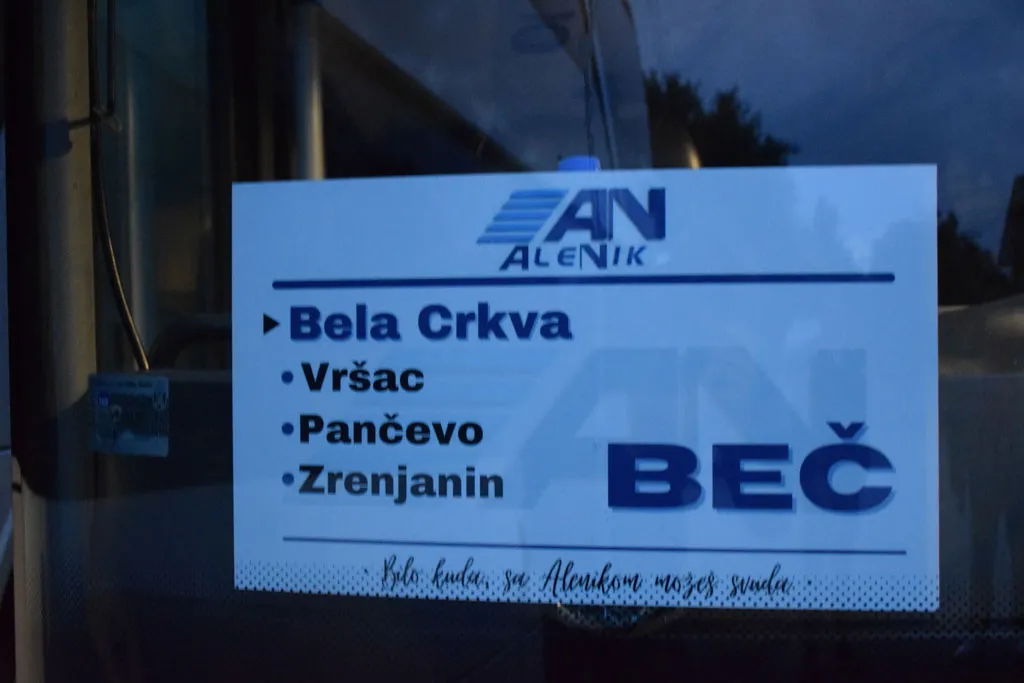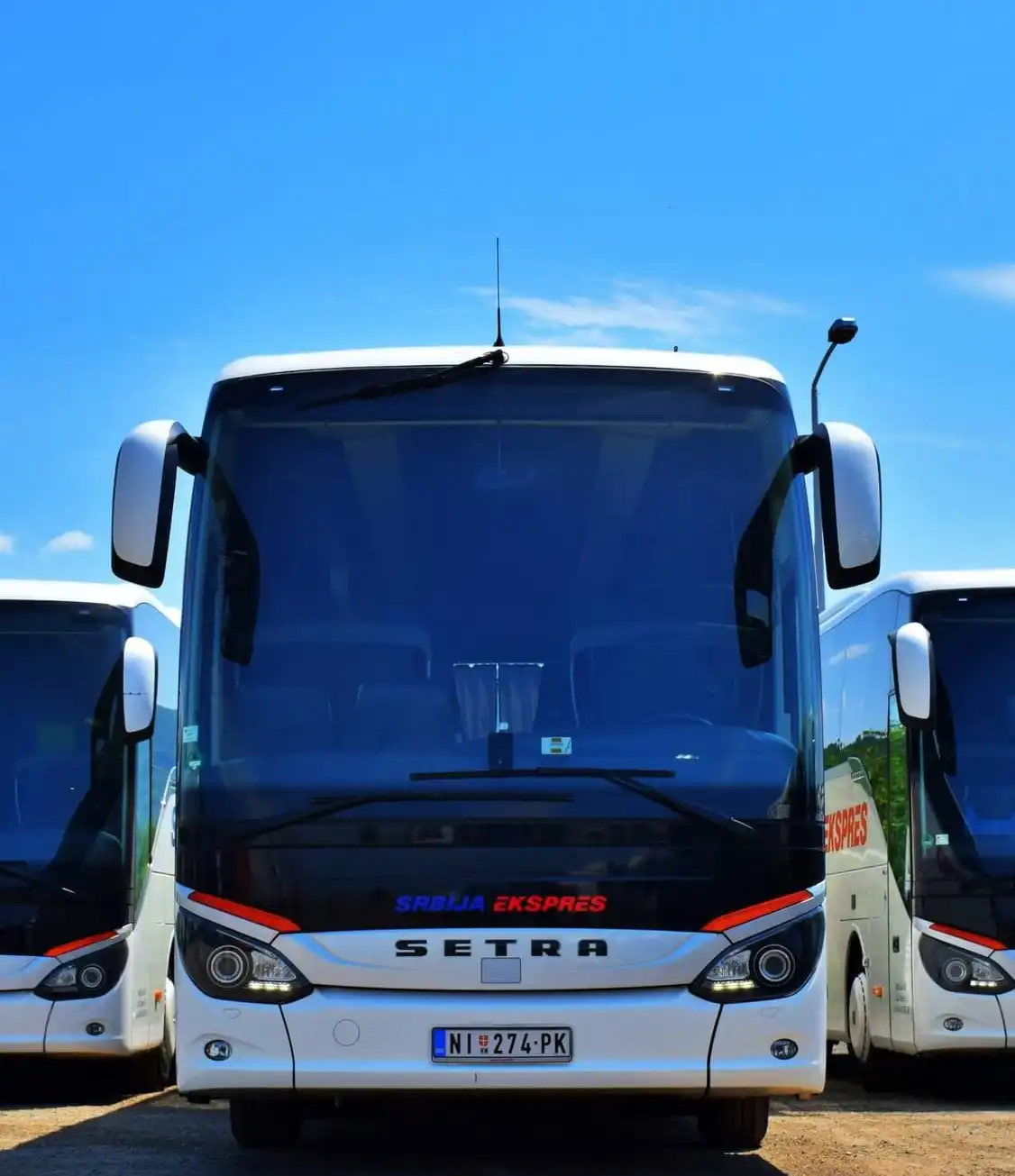
• #travelonbusway

Report: The Architecture of Family Drama Storylines and Complex Family Relationships

1. Executive Summary

Family drama remains one of the most enduring and versatile genres in literature, television, film, and theater. Its core appeal lies in the universal recognition of family as both a primary source of identity and a crucible of conflict. This report analyzes the foundational components of compelling family drama storylines, the typology of complex family relationships, key narrative structures, psychological underpinnings, and modern evolutions of the genre.

Tips for Writing Family Drama:

The Parentified Child

This is a psychological goldmine. The eldest daughter or son was forced to become the "little parent" to younger siblings because the actual parents were addicts, absent, or incompetent. Now, as an adult, this character doesn't know how to stop being the martyr. They interfere in their siblings' adult lives, offer unsolicited advice, and break down when no one thanks them.

A long-hidden truth—such as a parent’s secret past, a sibling’s unknown identity, or a financial betrayal—threatens to unravel the family's established reality. The Forced Reunion:

Part III: The Hidden Wounds (Backstory as Active Plot)

In mediocre family dramas, the conflict is surface-level: money, a lost job, a broken vase. In complex family relationships, the current fight is never about the current thing. It is about a wound that happened decades ago.

The mention of his late wife made Elias’s jaw tighten. The complexity of their grief was a jagged thing; Elias mourned the woman who kept his world steady, while Julian mourned the woman who had been a buffer between him and a father who communicated only in reprimands.

1. Shared History and Trauma

Family members do not meet as blank slates; they meet as repositories of shared memories. A complex relationship is often weighed down by "the unspoken."
banner-feature

Naša misija

Unapređenje

Svojim aktivnostima nastojimo da unapredimo i usavršimo uslugu prevoza putnika.

Popularizacija

Uslugu prevoza putnika prilagođavamo i približavamo potrebama savremenog čoveka.

Omasovljenje

Svojim projektima imamo za cilj da uvećamo broj korisnika autobuskog saobraćaja i na taj način da utičemo i na zaštitu životne sredine.

Standardizacija

Definisanjem sopstvenih standarda kategorišemo prevoz i putnicima garantujemo nivo usluge koju će dobiti.

Xvideos Incesto Madre Borracha- !free! [ 2024 ]

Report: The Architecture of Family Drama Storylines and Complex Family Relationships

1. Executive Summary

Family drama remains one of the most enduring and versatile genres in literature, television, film, and theater. Its core appeal lies in the universal recognition of family as both a primary source of identity and a crucible of conflict. This report analyzes the foundational components of compelling family drama storylines, the typology of complex family relationships, key narrative structures, psychological underpinnings, and modern evolutions of the genre.

Tips for Writing Family Drama:

The Parentified Child

This is a psychological goldmine. The eldest daughter or son was forced to become the "little parent" to younger siblings because the actual parents were addicts, absent, or incompetent. Now, as an adult, this character doesn't know how to stop being the martyr. They interfere in their siblings' adult lives, offer unsolicited advice, and break down when no one thanks them. Xvideos Incesto Madre Borracha-

A long-hidden truth—such as a parent’s secret past, a sibling’s unknown identity, or a financial betrayal—threatens to unravel the family's established reality. The Forced Reunion: Report: The Architecture of Family Drama Storylines and

Part III: The Hidden Wounds (Backstory as Active Plot)

In mediocre family dramas, the conflict is surface-level: money, a lost job, a broken vase. In complex family relationships, the current fight is never about the current thing. It is about a wound that happened decades ago. The mention of his late wife made Elias’s jaw tighten

  • Multi-generational conflicts: Explore the tensions and power struggles between different generations, such as grandparents, parents, and children.
  • Sibling rivalries: Delve into the complex relationships between siblings, including rivalries, alliances, and secrets.
  • Family secrets and lies: Introduce hidden truths, secrets, and lies that can either unite or tear apart family members.
  • Complex family dynamics: Create intricate relationships between family members, such as blended families, step-siblings, or family members with different cultural backgrounds.
  • Emotional conflicts: Develop characters with deep emotional scars, unresolved traumas, or conflicting desires that drive the plot.

The mention of his late wife made Elias’s jaw tighten. The complexity of their grief was a jagged thing; Elias mourned the woman who kept his world steady, while Julian mourned the woman who had been a buffer between him and a father who communicated only in reprimands.

1. Shared History and Trauma

Family members do not meet as blank slates; they meet as repositories of shared memories. A complex relationship is often weighed down by "the unspoken."
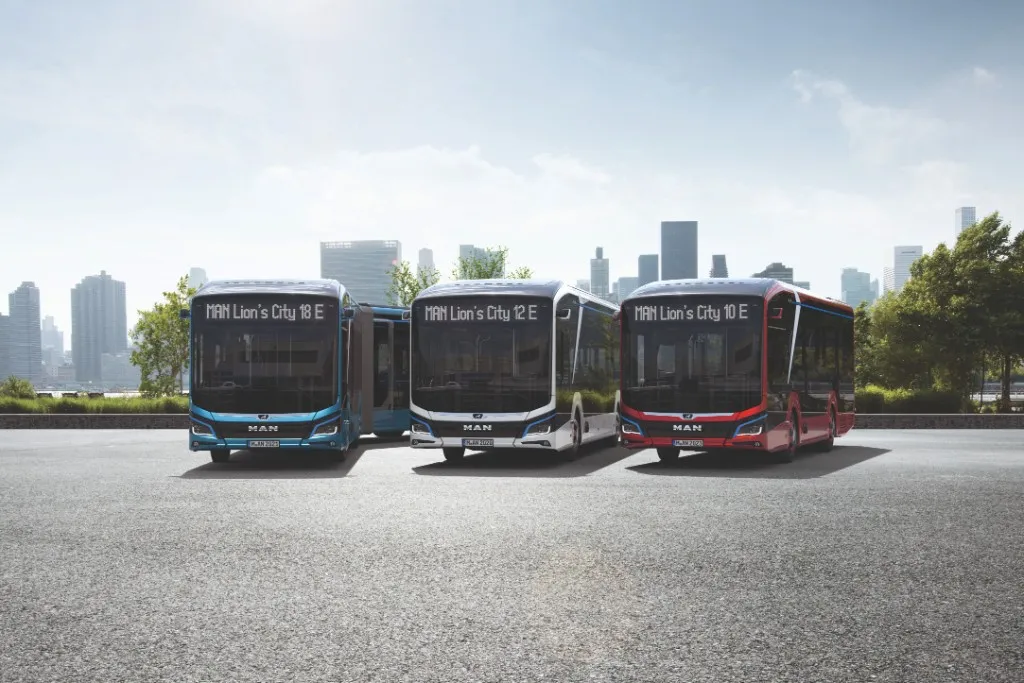
Xvideos Incesto Madre Borracha- !free! [ 2024 ]

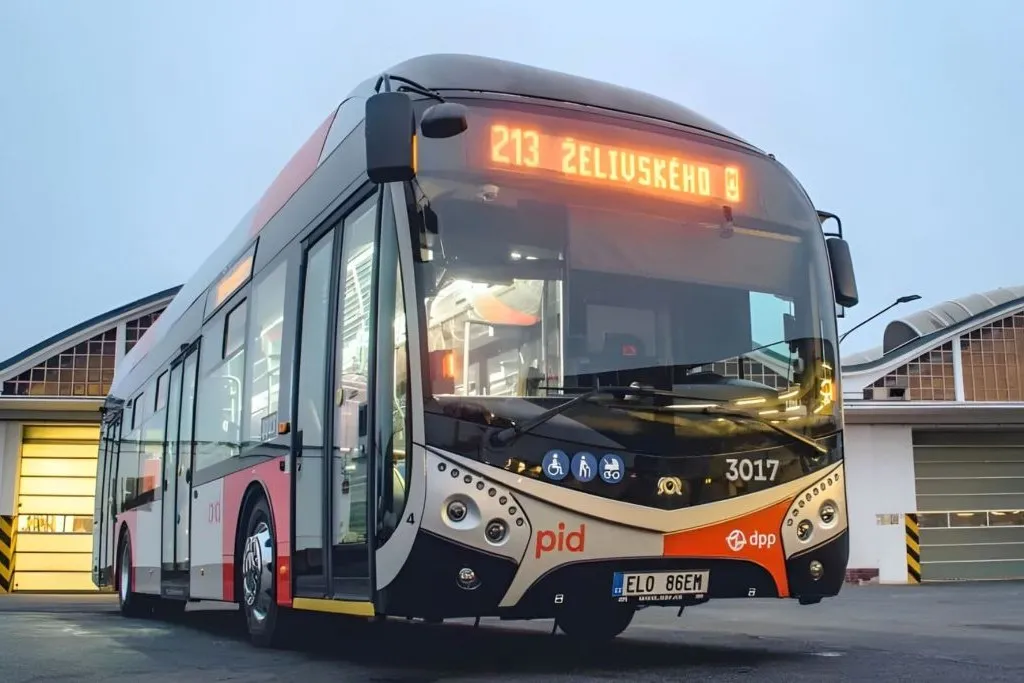
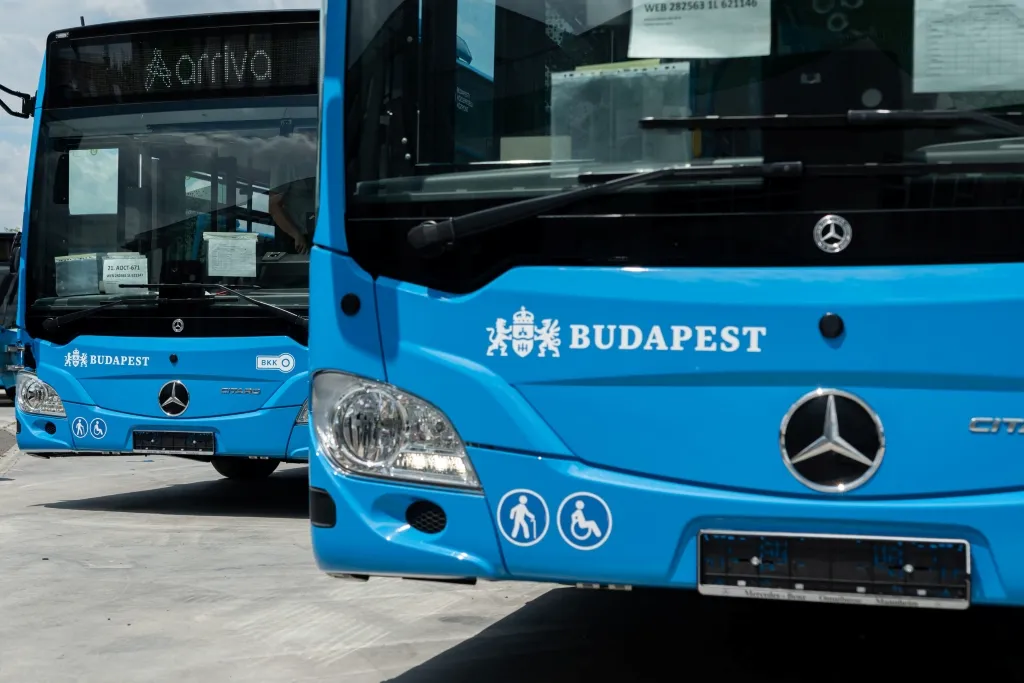
Balkan Transport ima za cilj popularizaciju i unapređenje prevoza putnika autobusima, kako na tržištu matične zemlje, Srbije, tako i šire. Tokom skoro decenijskog prisustva u javnosti, članovi Balkan Transport tima, svojim aktivnostima nastojali su da direktno utiču na kvalitet usluge autobuskih prevoznika. Osnivanjem i realizacijom mnogobrojnih projekata u skladu sa sopstvenim standardima, težimo da javnosti predočimo i približimo uslugu prevoza putnika u skladu sa potrebama savremenog čoveka. Upravo to je ono na čemu najaktivnije radimo, s obzirom na to da smo u većini slučajeva i sami svedoci najčešće nerazvijenosti usluge prevoza putnika kod nas. Balkan Transport je osnovan 2012. godine.

Saznaj više
about image

Naše usluge

Jednim klikom do željenih informacija

Kontaktirajte nas

PIŠITE NAM

Naša vizija

Prevoz putnika na našem tržištu danas, najčešće predstavlja samo prevoz od tačke A do tačke B. Čini se da, osim novijih voznih sredstava, usluga prevoza nimalo nije napredovala gotovo pet decenija, od 70-tih godina prošlog veka. Ovo se najjasnije može videti padom zadovoljstva putnika. Prema istraživanjima u Evropi, gotovo svaki drugi ispitanik nije potpuno zadovoljan uslugom prevoza.

Nećemo ispitivati koliki je procenat nezadovoljnih putnika kod nas, već ćemo se svojim angažmanom zalagati da i putnici koji su izbrisali autobus kao prevozno sredstvo, da se istom sa zadovoljstvom vrate. Sa aspekta prevoznika, ovo nužno ne zahteva kupovinu novih, već najčešće predstavlja rad na usavršavanju postojećih voznih sredstava.