Cozmix has collected some nice apps for all astronomy lovers. You will find both very accessible apps, as well as apps for the more advanced.
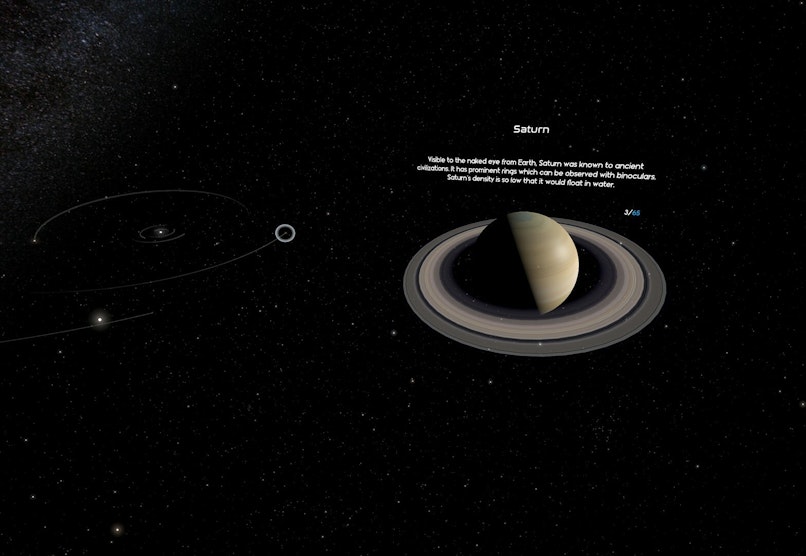
Have you ever wondered what the whole Universe looks like? With the myriad Galaxies, including our Milky Way galaxy, containing billions of Stars, and our own Solar System? See the Earth from above, including the International Space Station and an Astronaut in orbit. What does his Brain look like? What about its Neural Network, all the Neuron Cells and their DNA? Have you seen an Electron Cloud surrounding the tiny Atomic Nucleus, filled with Protons and Neutrons? And what lies at even smaller scales?
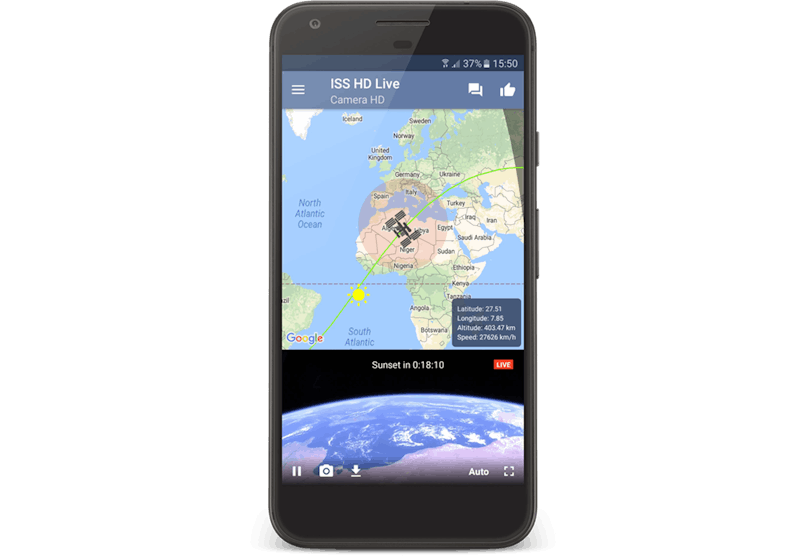
Have you always wanted to be an astronaut? Then this app is ideal for you! ISS Live Now consists of live images from the International Space Station and keeps you up to date with the astronauts' adventures 24/7.
This app summarises all of NASA's information in a handy way, keeping you up to date with the latest developments in astronomy.
The European Space Agency also has an interactive app. It includes educative games, inspiration for space-themed craftworks and of course more information about our universe.
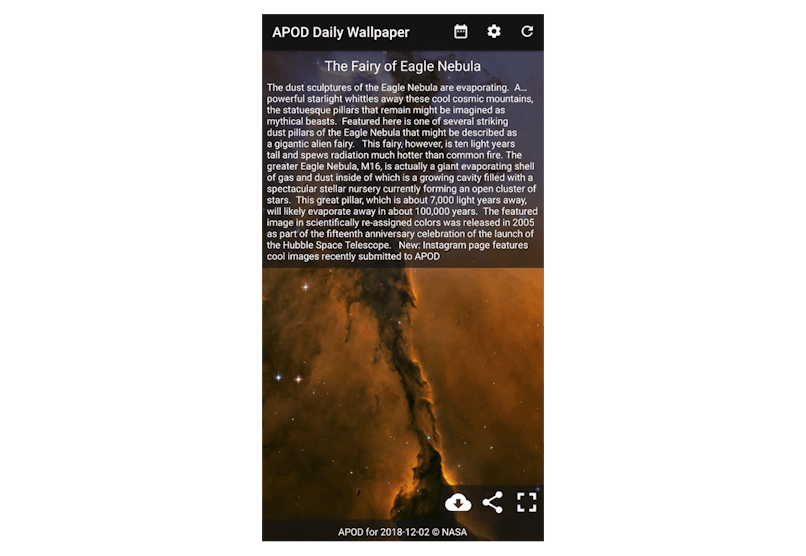
The app Daily APOD Wallpaper uses NASA's "Astronomy Picture Of the Day" to provide your smartphone with a fun background every day. The backgrounds are very diverse and range from distant nebulae to photos of our starry skies on Earth. Highly recommended!
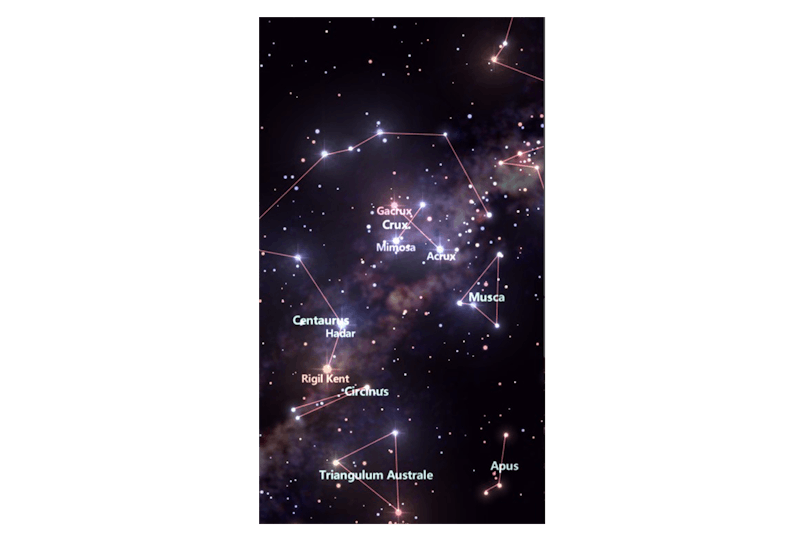
Are you fascinated by the constellations in the sky? Then this app is definitely for you! With Star Tracker, all you have to do is point your smartphone at the sky and the constellations become visible. This is the ideal way to learn the constellations. Tip: It's best to take the cover off your smartphone because it can cause problems with the calibration of the constellations.
The Scenario: You are a tech or gaming YouTuber. A new console, graphics card, or mobile phone ("el primer equipo nuevo") has just dropped. All the big channels have their reviews up within minutes. You? You got the gear late. Your edit crashed. Or you simply hesitated.
Desde su creación en 2005, YouTube ha experimentado un crecimiento exponencial. Lo que comenzó como una plataforma para compartir videos personales y familiares rápidamente se transformó en un gigante del entretenimiento y la información. Hoy en día, YouTube alberga más de 2 mil millones de usuarios mensuales activos, que ven más de mil millones de horas de contenido cada día. Esta plataforma no solo ha cambiado la forma en que consumimos entretenimiento, sino también cómo nos informamos y cómo las marcas y creadores de contenido interactúan con su audiencia. video por no haber sido el primer equipo nuevo video youtube
The "Nuevo Video" (New Video) aspect suggests that this is a recurring joke. Every time a major team is eliminated from a tournament (like the Champions League or Copa Libertadores), the community quickly produces these "por no haber sido..." videos to flood the algorithm. The "Apology Video" for Not Being First The
Show the April 6, 2005 date on the "welcome to YouTube" video. The Fact Check Or you simply hesitated
Content creators know that a loss is just the setup for a great comeback. By documenting the failure of not being the first team, they create a storyline for their audience. It’s not just a video about a game; it’s a story about persistence. 4. Community Over Competition
¿Por qué documentar la derrota? Las redes sociales suelen ser solo "highlights" (lo mejor). Pero hay una audiencia enorme para la autenticidad. Subimos el video porque:
video or simply "the video for not having been the first team". It frequently appears in discussions alongside other viral or "shock" clips on social media. The Meaning
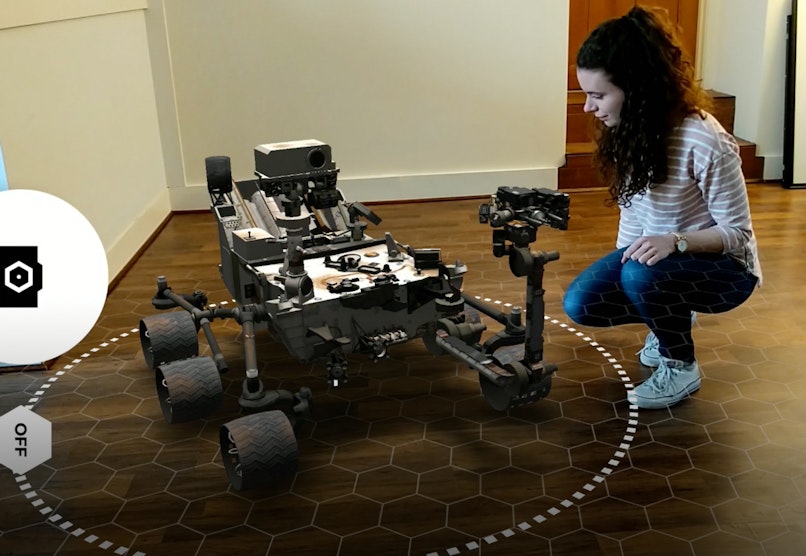
This app developed by NASA brings the rovers that were used to explore the solar system right into your living room. Spacecraft AR uses, augmented reality that allows you to view the rovers from any angle through your smartphone's camera.
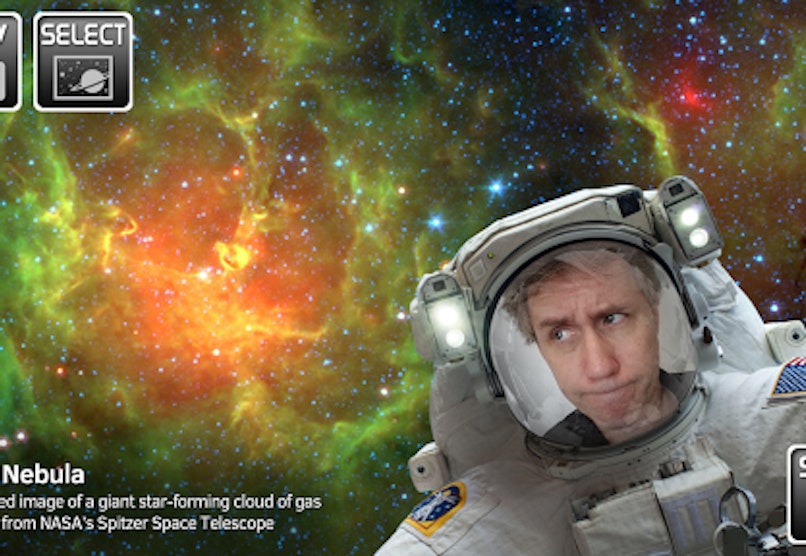
With this app from NASA, you can travel all over the universe. You can prove this to your friends with an accompanying selfie in your virtual space suit. Information is provided with the different backgrounds. This application was developed on the occasion of the 15th anniversary of the launch of NASA's Spitzer Space Telescope.
Founded in 2002 by the Nobel Prize winner Carl Wieman, the PhET Interactive Simulations Project at the University of Colorado Boulder creates free interactive simulations for science and mathematics (STEM).
Would you like to decide for yourself what happens in our universe? Then you'll definitely want to try this one out! You can create your own stars, make them collide and much more.
A great 3D model/mobile planetarium for exploring space. The app presents a time-sensitive simulation of our universe, showing planets, stars, satellites, dwarfs, asteroids, comets, etc. live.
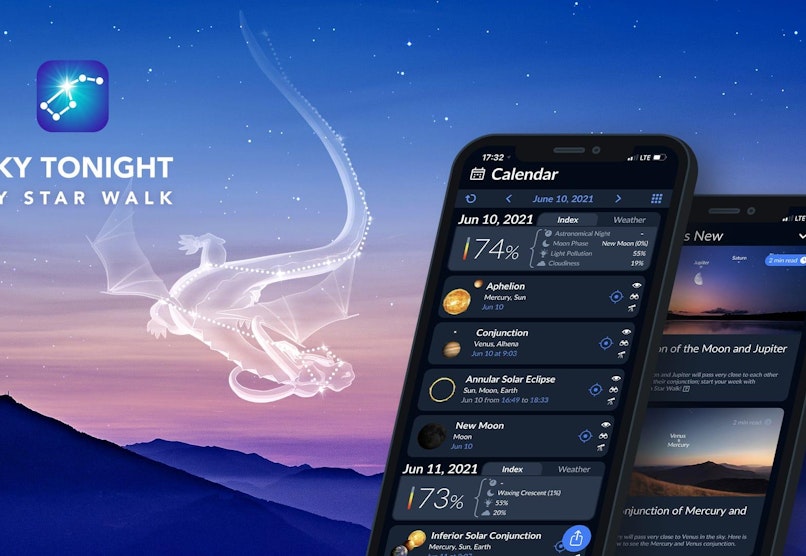
Sky Tonight is an astronomical app that helps you to explore the sky. It helps observers answer the three most common questions: 'What's that bright spot in the sky?' 'Where should I look to see something interesting above me?' and 'How can I find the object I'm interested in?'