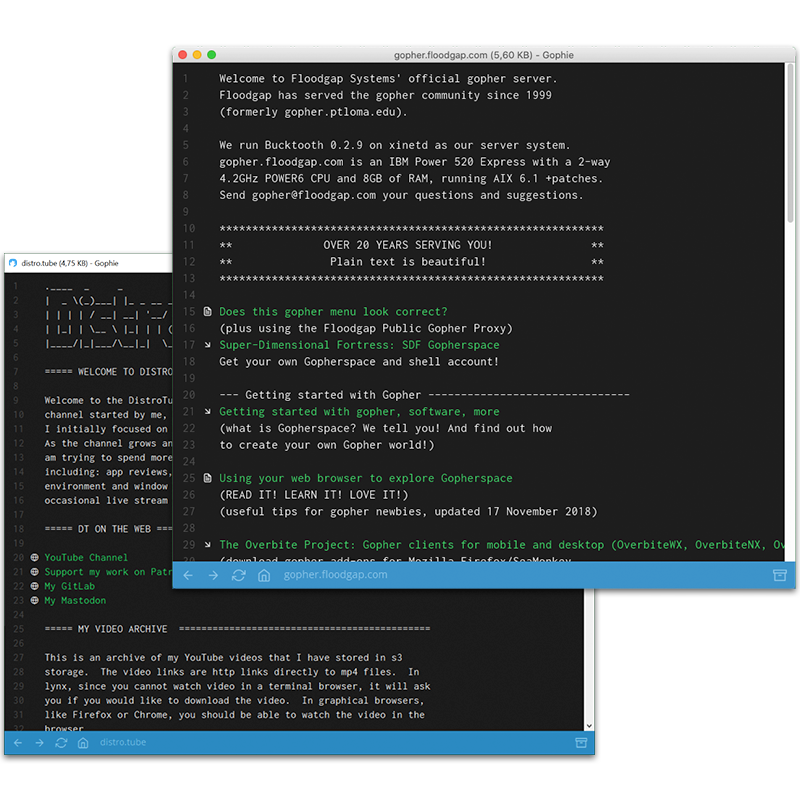
Full 100% Gopher protocol (RFC 1436) support
Gophie supports all Gopher protocol items from the gophermenu including any images, search functionality,
binary file downloads, telnet sessions and many more. Gophie launches your favourite media player for media
files, so you can enjoy them best. Telnet sessions are also launched through your operating system with the
telnet application of your choice.
Learn more about the protocol support
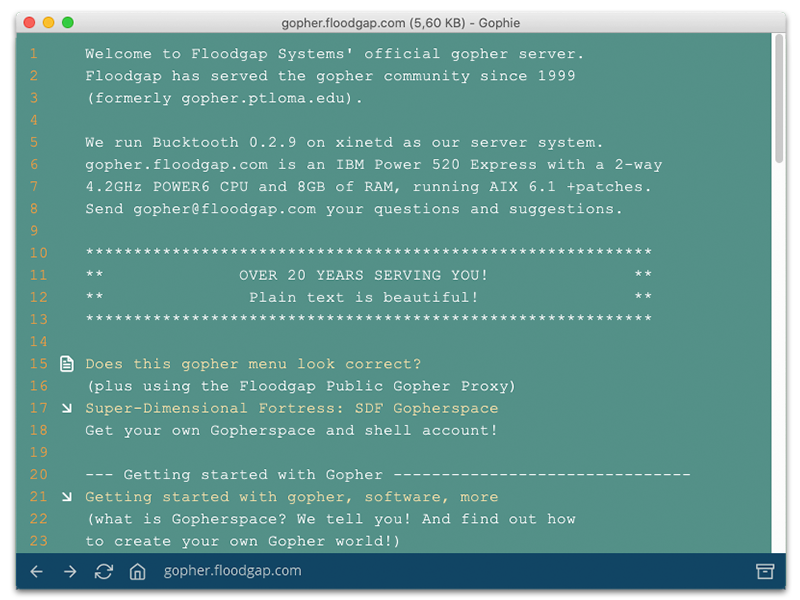
Fully customisable user interface
Pick the colours and fonts you like to adjust Gophie’s appearance to your taste and system styles.
Velamma Episode 16 - Unwanted Gifts Xxx-www.mastitorrents.com- File
If you're looking for information on how to find episodes of web series or details about "Velamma," I can offer some general advice:
This article explores how this specific episode functions not just as titillation, but as a legitimate piece of entertainment content that critiques social norms, explores economic anxiety, and challenges the very definition of "popular media" in the 21st century. If you're looking for information on how to
Repetitive Tropes: Relies heavily on the same "accidental" plot devices. But to scholars of digital media, feminist theory,
Conclusion: The Gift That Keeps on Giving
To the uninitiated, Velamma Episode: Unwanted Gifts sounds like a niche artifact of internet fringe culture. But to scholars of digital media, feminist theory, and South Asian pop culture, it is a Rosetta Stone. particularly episodes like "Unwanted Gifts
The episode brilliantly juxtaposes two economies: the capitalist economy of the husband (where gifts are investments demanding returns) and the emotional economy of the lover (where gifts are sacrifices). By the end of the 40-panel sequence, the reader realizes that both gifts are unwanted—but for radically different reasons.
The series, particularly episodes like "Unwanted Gifts," represents a significant and controversial phenomenon in Indian adult comics. These comics occupy a unique space in popular media, often described as "transgressive domesticity" that reflects deeper societal contradictions in India. Overview and Themes