
We exist to point people to Jesus and inspire them to live the cross shaped life.

Powered By Glype ((exclusive)) Official

The phrase "Powered by Glype" is the default footer signature for Glype, a popular web-based proxy script written in PHP. Since its launch in 2007, it became the industry standard for creating "anonymizer" websites that allow users to bypass internet censorship and workplace filters. What is Glype?

Proxies can consume significant bandwidth and CPU. Monitor your server usage to avoid suspension by your hosting provider. Legal Compliance: powered by glype

This process masks the user's real IP address. To the target website, the request appears to be coming from the proxy server, not the user's personal computer. This is a fundamental tool for bypassing geographic restrictions, maintaining anonymity, and circumventing network filters in schools or workplaces. The phrase "Powered by Glype" is the default

1. The Rise of HTTPS (SSL/TLS)

The internet shifted from HTTP to HTTPS. Glype struggled with "SSL wrapping." While it could proxy HTTPS sites, it often triggered certificate errors in the browser, scaring users away. Modern users expect the padlock icon; Glype broke the padlock. The URL pattern: Look for

  1. The URL pattern: Look for ?q= or ?u= in the address bar followed by a long string of random characters (Base64 encoded URL).
  2. The interface: The classic Glype theme had a blue header, a centered white box, and a URL input field with two buttons: "Surf" and "Enter."
  3. The "Skin" parameter: If you see &hl=3d or skin selection options in the URL, it is almost certainly Glype.

View All Sermons

The phrase "Powered by Glype" is the default footer signature for Glype, a popular web-based proxy script written in PHP. Since its launch in 2007, it became the industry standard for creating "anonymizer" websites that allow users to bypass internet censorship and workplace filters. What is Glype?

Proxies can consume significant bandwidth and CPU. Monitor your server usage to avoid suspension by your hosting provider. Legal Compliance:

This process masks the user's real IP address. To the target website, the request appears to be coming from the proxy server, not the user's personal computer. This is a fundamental tool for bypassing geographic restrictions, maintaining anonymity, and circumventing network filters in schools or workplaces.

1. The Rise of HTTPS (SSL/TLS)

The internet shifted from HTTP to HTTPS. Glype struggled with "SSL wrapping." While it could proxy HTTPS sites, it often triggered certificate errors in the browser, scaring users away. Modern users expect the padlock icon; Glype broke the padlock.

  1. The URL pattern: Look for ?q= or ?u= in the address bar followed by a long string of random characters (Base64 encoded URL).
  2. The interface: The classic Glype theme had a blue header, a centered white box, and a URL input field with two buttons: "Surf" and "Enter."
  3. The "Skin" parameter: If you see &hl=3d or skin selection options in the URL, it is almost certainly Glype.
  • New here?

    Plan a Visit

  • Events

  • Groups

  • Serve

  • Sunday Nights

    Actvities for all ages.

    powered by glype
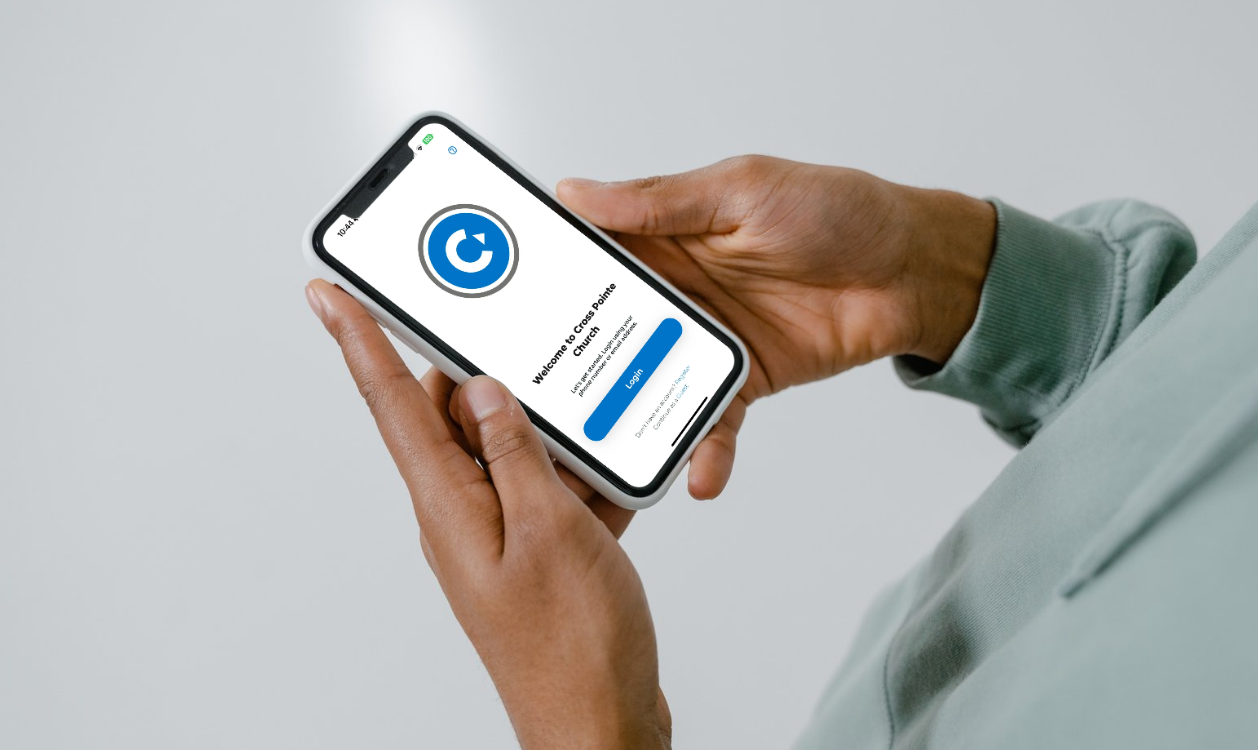
  • Download the App

    Messages, events, and more.

    powered by glype
  • The Good News

    A simple way to explore faith.

    powered by glype
  • Contact Us

    Questions? We’d love to help.

    powered by glype
  • Preschool ministry

    Preschool

  • Kids ministry

    Kids

  • Student ministry

    Students

  • College and young adults

    College & Young Adults