aptitude.pub
Pornhub2023cutiegingeranateenbellydancert Best -
Experience unmatched tactical advantage with our recoil script or AI-powered aimbot, designed to give you the ultimate edge in every match.
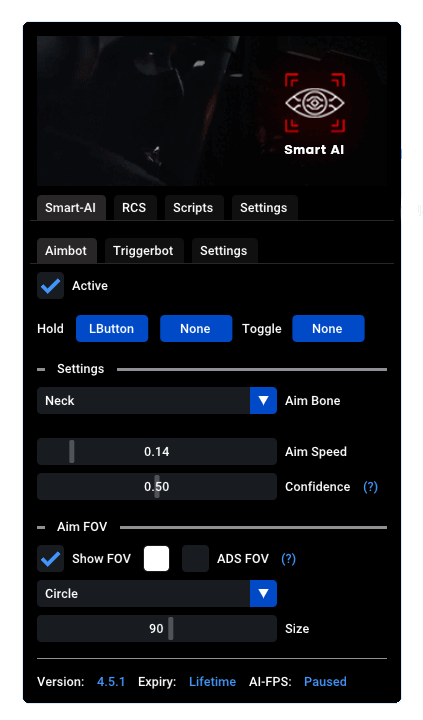

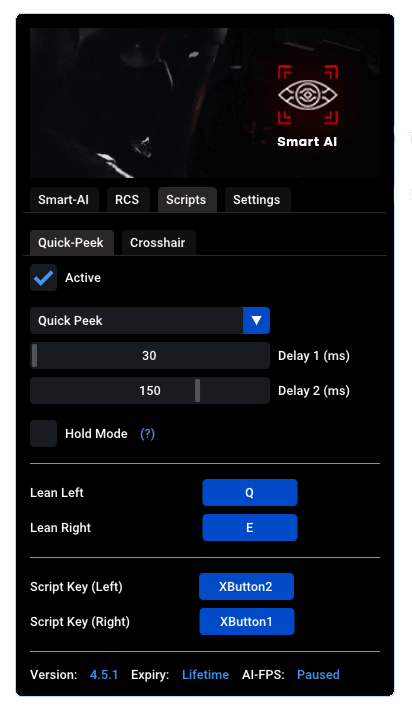

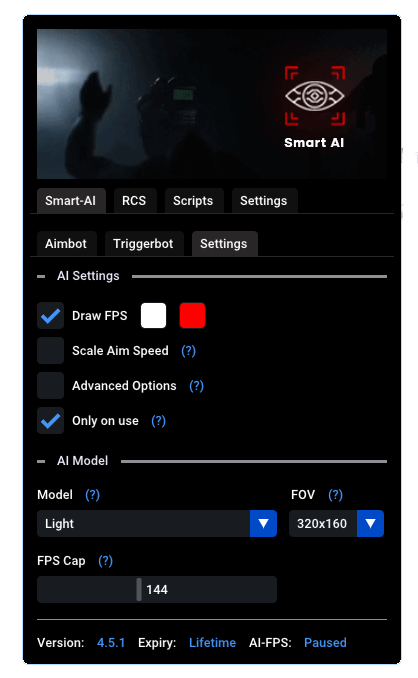
Experience unmatched tactical advantage with our recoil script or AI-powered aimbot, designed to give you the ultimate edge in every match.
A central review of the modern media and entertainment landscape reveals a profound paradigm shift in the digital age. The industry is moving away from traditional models toward a decentralized, algorithm-driven reality where the definition of "quality" is being rewritten by audience engagement. The Shift from Studios to Creators
At its core, entertainment and media content is any material created to engage, inform, or amuse an audience. While the delivery methods have changed, the goal remains the same: storytelling. pornhub2023cutiegingeranateenbellydancert best
In this new era, "influence" is the primary currency. A single creator filming from their bedroom can command an audience larger than many cable networks, proving that authenticity often resonates more deeply with modern audiences than high-gloss production values. Immersive Technologies: VR and AR A central review of the modern media and
In this new paradigm, entertainment and media content is no longer a flat rectangle on a wall. It surrounds the user. Imagine watching a concert where the lead singer walks past your couch, or a documentary where the dinosaurs roam your living room floor. Gaming is leading this charge, but music, sports, and narrative film are following closely. What Constitutes Entertainment and Media Content
One of the most significant impacts of digital technology on the entertainment and media industry has been the way we consume content. With the rise of streaming services such as Netflix, Hulu, and Amazon Prime, people can now access a vast library of content at any time and from any location. This has led to a decline in traditional television viewing and a shift towards on-demand content. Social media platforms, such as YouTube, Facebook, and Instagram, have also become major players in the entertainment and media industry, providing a platform for creators to produce and share their own content.
A central review of the modern media and entertainment landscape reveals a profound paradigm shift in the digital age. The industry is moving away from traditional models toward a decentralized, algorithm-driven reality where the definition of "quality" is being rewritten by audience engagement. The Shift from Studios to Creators
At its core, entertainment and media content is any material created to engage, inform, or amuse an audience. While the delivery methods have changed, the goal remains the same: storytelling.
In this new era, "influence" is the primary currency. A single creator filming from their bedroom can command an audience larger than many cable networks, proving that authenticity often resonates more deeply with modern audiences than high-gloss production values. Immersive Technologies: VR and AR
In this new paradigm, entertainment and media content is no longer a flat rectangle on a wall. It surrounds the user. Imagine watching a concert where the lead singer walks past your couch, or a documentary where the dinosaurs roam your living room floor. Gaming is leading this charge, but music, sports, and narrative film are following closely.
One of the most significant impacts of digital technology on the entertainment and media industry has been the way we consume content. With the rise of streaming services such as Netflix, Hulu, and Amazon Prime, people can now access a vast library of content at any time and from any location. This has led to a decline in traditional television viewing and a shift towards on-demand content. Social media platforms, such as YouTube, Facebook, and Instagram, have also become major players in the entertainment and media industry, providing a platform for creators to produce and share their own content.
Watch our software deliver unmatched performance in-game.
Join thousands of elite operators who trust our tools to achieve tactical superiority.
Get Started Today