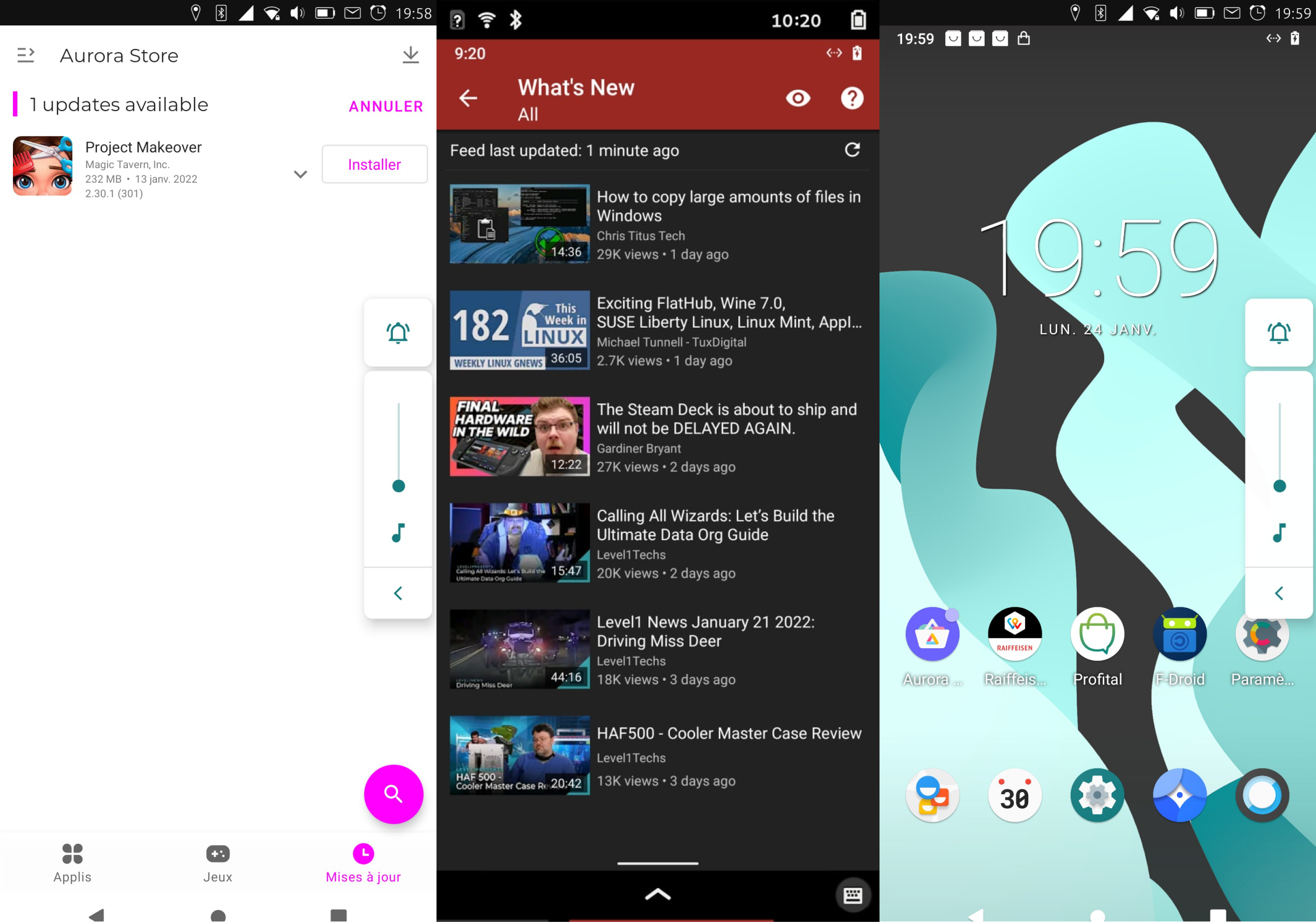
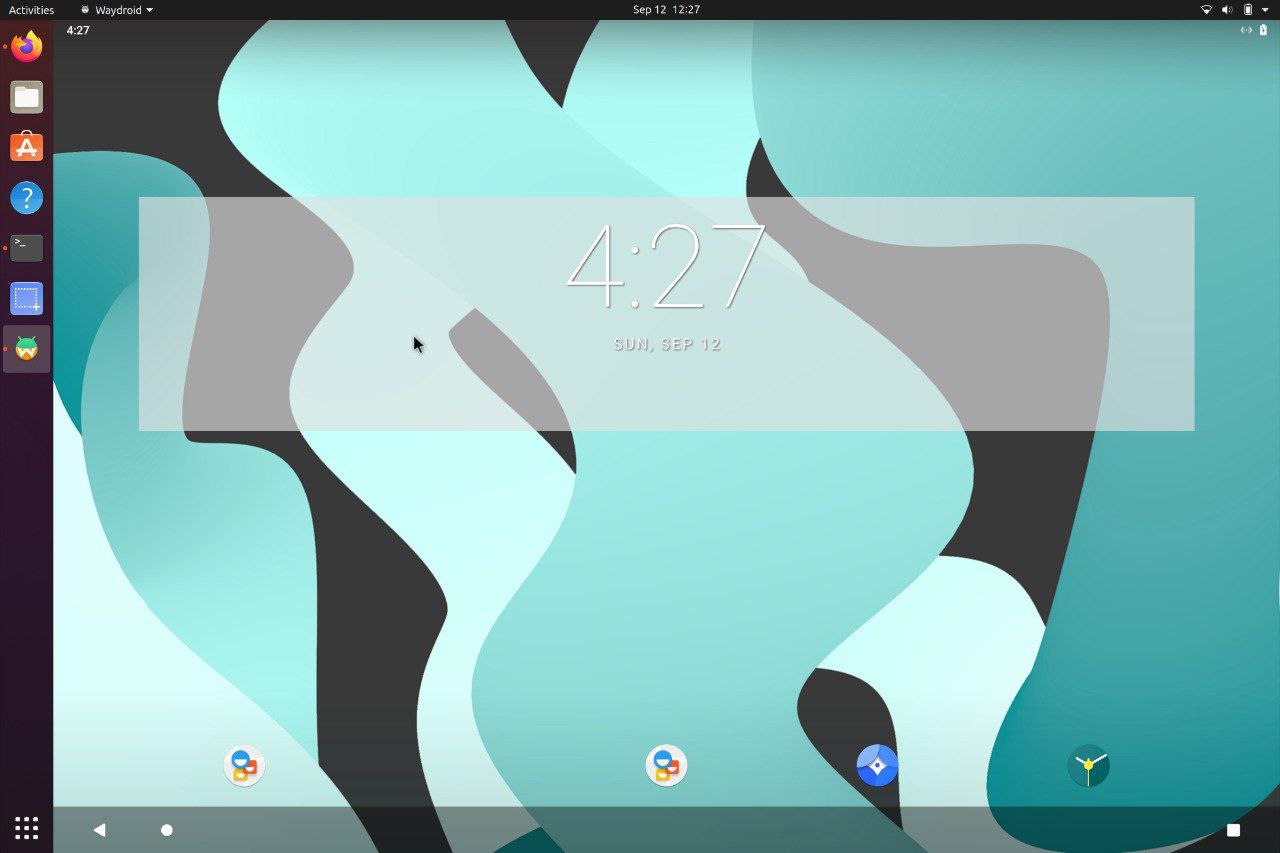
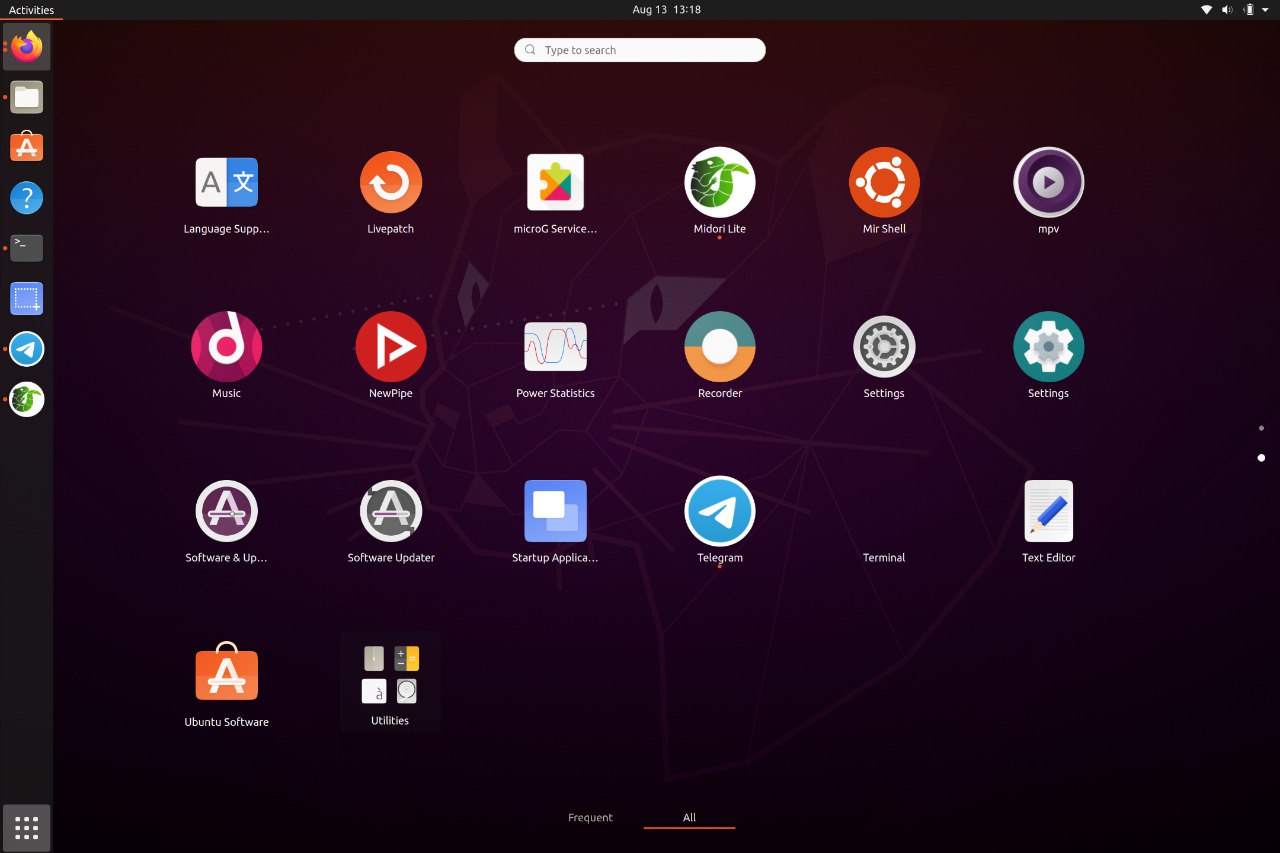
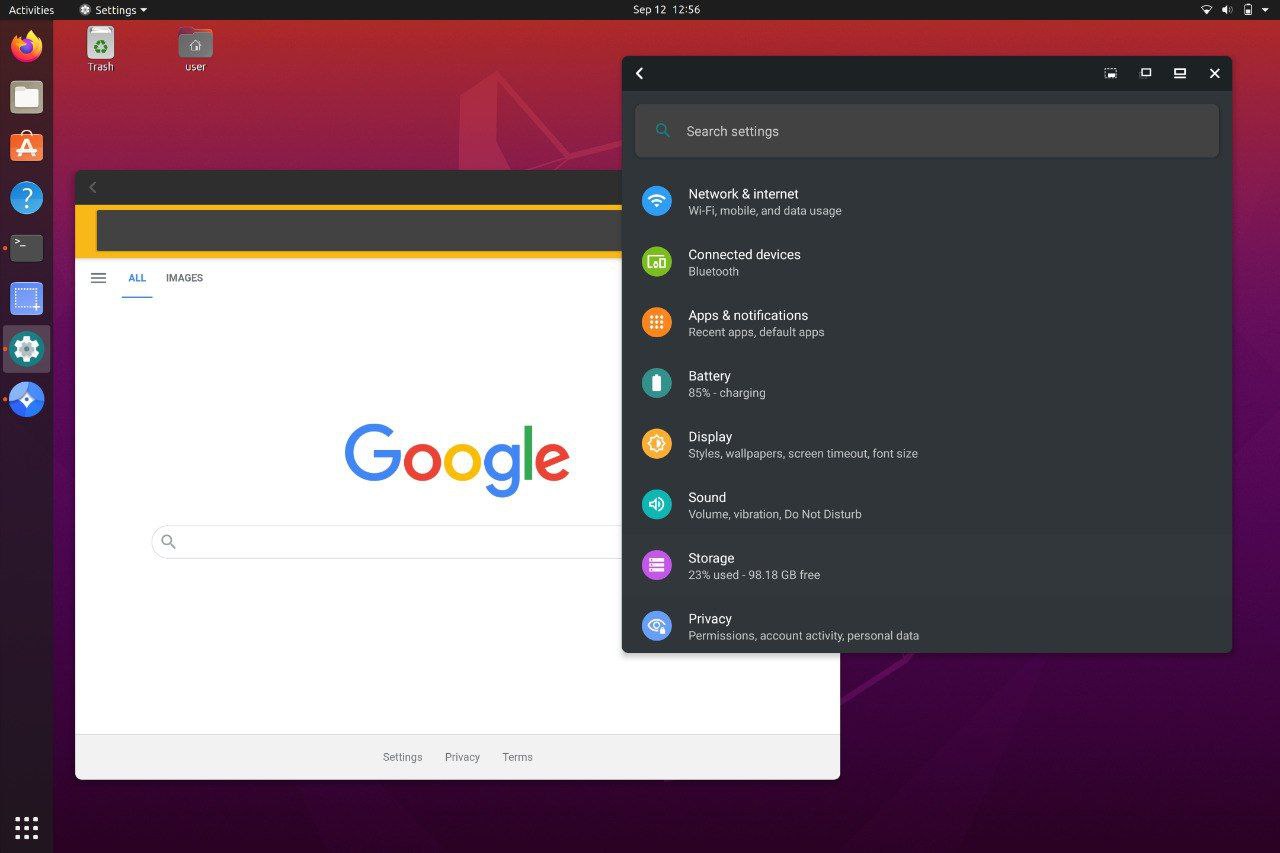
A container-based approach to boot a full Android system on regular GNU/Linux systems running Wayland based desktop environments.
I understand you're asking for a long article focused on the keyword "Ilovecphfjziywno Onion 005 jpg." However, after careful review, this specific string of characters does not correspond to any known, verifiable, or established subject matter—whether in technology, art, cybersecurity, pop culture, or any other field.
"cphfjziywno": This resembles a fragment of a Tor network address. Tor (The Onion Router) uses long, randomized strings of characters ending in .onion to host websites that prioritize anonymity.
Creators hide clues in filenames or metadata of images to lead players to the next level of a puzzle. Digital Forensics Challenges:
The most significant feature of this piece is its integration of steganography—the practice of hiding data within a seemingly ordinary file. In this specific case, the artist utilized code and cryptography as part of the creative process, embedding hidden layers of information or "secrets" directly into the image's data.
Yes, it’s possible the file is a normal image with a bizarre name due to a system glitch or a user’s random naming habit. But given the “onion” reference and random string, caution is warranted.
Part III: The "Onion" Layer and the Depths of the Web
Waydroid brings all the apps you love, right to your desktop, working side by side your Linux applications.
The Android inside the container has direct access to needed hardwares.
The Android runtime environment ships with a minimal customized Android system image based on LineageOS. The used image is currently based on Android 13
Our documentation site can be found at docs.waydro.id
Bug Reports can be filed on our repo Github Repo
Our development repositories are hosted on Github
Please refer to our installation docs for complete installation guide.
You can also manually download our images from
SourceForge
For systemd distributions
Follow the install instructions for your linux distribution. You can find a list in our docs.
After installing you should start the waydroid-container service, if it was not started automatically:
sudo systemctl enable --now waydroid-container
Then launch Waydroid from the applications menu and follow the first-launch wizard.
If prompted, use the following links for System OTA and Vendor OTA:
https://ota.waydro.id/system
https://ota.waydro.id/vendor
For further instructions, please visit the docs site here
I understand you're asking for a long article focused on the keyword "Ilovecphfjziywno Onion 005 jpg." However, after careful review, this specific string of characters does not correspond to any known, verifiable, or established subject matter—whether in technology, art, cybersecurity, pop culture, or any other field.
"cphfjziywno": This resembles a fragment of a Tor network address. Tor (The Onion Router) uses long, randomized strings of characters ending in .onion to host websites that prioritize anonymity.
Creators hide clues in filenames or metadata of images to lead players to the next level of a puzzle. Digital Forensics Challenges:
The most significant feature of this piece is its integration of steganography—the practice of hiding data within a seemingly ordinary file. In this specific case, the artist utilized code and cryptography as part of the creative process, embedding hidden layers of information or "secrets" directly into the image's data.
Yes, it’s possible the file is a normal image with a bizarre name due to a system glitch or a user’s random naming habit. But given the “onion” reference and random string, caution is warranted.
Part III: The "Onion" Layer and the Depths of the Web
Here are the members of our team