Ryan Woodward’s " Gesture Drawing " is a celebrated instructional resource for artists looking to move beyond stiff, anatomical sketches and capture the living energy of the human form. Often found in its "Volume 3" iteration or general PDF formats, Woodward’s approach is rooted in his professional background as a world-class animator and storyboard artist. Core Philosophy: Gesture Over Anatomy
What's Inside the PDF Guide?
Users searching for this PDF generally expect a distilled, illustrated guide including: Gesture Drawing Ryan Woodward Pdf
Here is the ethical and best way to access his material:
So, what sets Woodward's guide apart from other resources on gesture drawing? Here are a few benefits that make it a valuable resource for artists and animators: Ryan Woodward’s " Gesture Drawing " is a
Rhythmic Drawing: Training the artist to use their shoulder rather than fingertips to create sweeping arcs and big, broad shapes. A Four-Step Process: Establishing basic rhythms and lines of action. Adding simple geometric shapes to build volume. Introducing detail to describe the form more specifically. Applying light and shadow to anchor the figure in space.
Criticisms and Limitations
So, what can you expect to gain from Ryan Woodward's gesture drawing PDF guide? Here are just a few benefits:
New Version 26.1: Go Speed Racer Go
New Version 25.12: Higher & Higher
New Version 25.10: Please Mr. Please
New Version 25.07: Hot Hot Hot
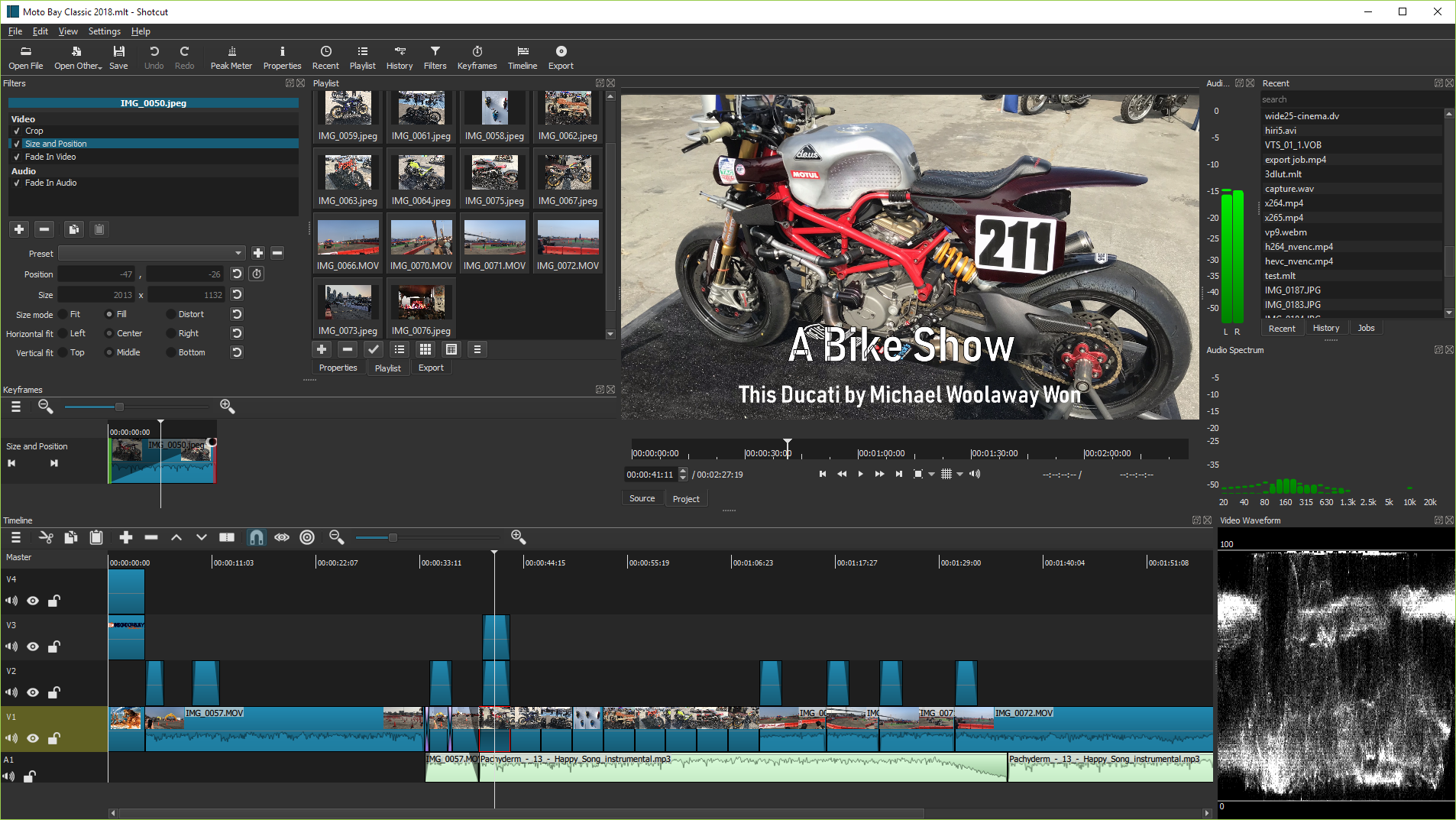
Shotcut was originally conceived in November, 2004 by Charlie Yates, an MLT co-founder and the original lead developer (see the original website). The current version of Shotcut is a complete rewrite by Dan Dennedy, another MLT co-founder and its current lead. Dan wanted to create a new editor based on MLT and he chose to reuse the Shotcut name since he liked it so much. He wanted to make something to exercise the new cross-platform capabilities of MLT especially in conjunction with the WebVfx and Movit plugins.
Lead Developer of Shotcut and MLT