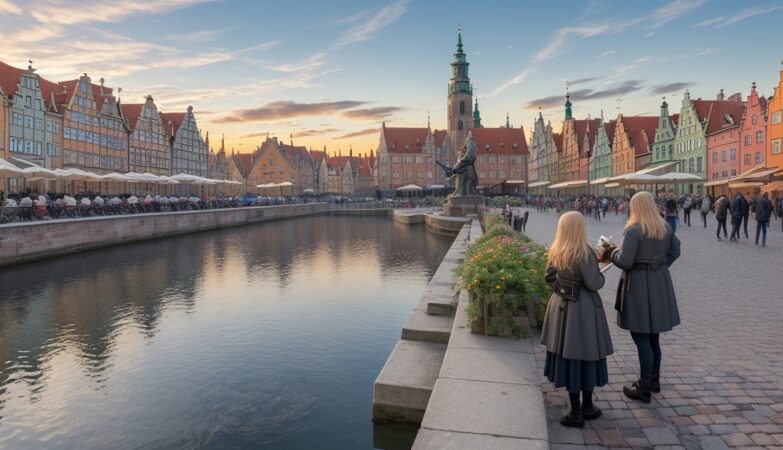

Londonas – vienas įvairiausių ir dinamiškiausių Europos miestų, kuriame istorija susipina su šiuolaikine kultūra, gastronomija…
Indian culture is a vibrant mosaic of ancient traditions and rapid modernization. It is defined by a "unity in diversity" that influences everything from daily habits to global media trends. 🏛️ Core Cultural Pillars
The Essence of Indian Culture
A key lifestyle trait is Jugaad—a colloquial Hindi word for a creative, low-cost hack or workaround. It represents the Indian spirit of resilience and resourcefulness, finding a way to make things work even with limited resources. 5. The Modern Shift: Digital India
"You miss this, don't you?" Rohan asked, gesturing at the chaos outside. The paanwala was arguing with a vegetable vendor. A dog was sleeping on a sack of potatoes.
- Scientific explanations for rituals (why turmeric in baths)
- Sex education and reproductive health (Lakshmi Saree Centre’s campaigns)
- Mental health awareness (YourDOST, Manochikitsa)
- LGBTQ+ family stories (Gaysi Family, Keshav Suri Foundation)
Her mother, Suman, stood at the kitchen counter, attacking a pile of ginger with the ferocity of a surgeon. "Beta," she said, not looking up. "I saw Mrs. Sharma's son on the society app."
The most defining characteristic of Indian culture is its pluralism. India is home to nearly every major religion in the world, hundreds of languages, and thousands of dialects. Yet, a shared "Indianness" binds the population. This lifestyle is built on the Vedic philosophy of Vasudhaiva Kutumbakam—the world is one family. 2. The Social Fabric: Family and Community In India, life is rarely lived in isolation.
- Family is highly valued in Indian culture, with extended families often living together.
- The caste system, although officially abolished, still influences social dynamics in some areas.
- Respect for elders and tradition is deeply ingrained in Indian society.
India is known for its vibrant festivals, which are an integral part of its culture. These festivals are often marked by colorful decorations, traditional attire, music, dance, and delicious food. Some of the major festivals include Diwali (the festival of lights), Holi (the festival of colors), Navratri, Eid, Christmas, and the Hindu New Year (Ugadi/Samvat). Each festival has its unique significance and way of celebration, reflecting the religious and cultural diversity of the country.